Máy theo dõi chất lượng không khí trong một phòng ngủ điển hình ở đô thị cho kết quả là 85 microgam trên mét khối sau thời gian nấu ăn vào buổi tối. Giá trị đó vượt xa hướng dẫn của Tổ chức Y tế Thế giới là 15 microgam trên mét khối trong mức trung bình 24 giờ. Câu trả lời thực tế là một bộ lọc không khí cho PM2.5, nhưng chỉ riêng nhãn không đảm bảo hiệu suất. Hướng dẫn này giải thích PM2.5 là gì, các bộ lọc ghi lại nó như thế nào và những con số nào quan trọng. Kết luận cốt lõi rất đơn giản: bộ lọc HEPA thực sự phù hợp với thể tích phòng và được xác minh bằng xếp hạng CADR thực là cấu hình duy nhất loại bỏ PM2,5 trong nhà một cách nhất quán.
Nội dung
PM2.5 là thuật ngữ chỉ các hạt trong không khí có đường kính từ 2,5 micromet trở xuống. Những hạt này vẫn lơ lửng trong không khí trong nhiều giờ vì chúng quá nhỏ để lắng xuống nhanh chóng dưới tác dụng của trọng lực. Các nguồn phổ biến trong nhà bao gồm khói nấu ăn, nến, khói thuốc lá, bụi lơ lửng và ô nhiễm ngoài trời xâm nhập qua cửa sổ, cửa ra vào và lỗ thông gió. Sau khi hít vào, PM2.5 có thể xâm nhập sâu vào đường hô hấp vì vượt qua hàng rào bảo vệ ở mũi và họng. Các nghiên cứu liên kết việc tiếp xúc lâu dài với tỷ lệ mắc bệnh tim mạch và hô hấp cao hơn. Do đó, PM2.5 trong nhà cần được quản lý tích cực thay vì phụ thuộc thụ động vào hệ thống thông gió không thường xuyên.
Máy hút mùi được thiết kế tốt và việc vệ sinh thường xuyên giúp giảm một phần tải trọng, nhưng chúng không loại bỏ các hạt nhanh như bộ lọc chuyên dụng. Các hạt nhỏ theo dòng không khí và tồn tại trong không khí ngay cả sau khi căn phòng đã được lau chùi và hút bụi. Vì ảnh hưởng đến sức khỏe phụ thuộc vào mức độ tiếp xúc tích lũy nên việc chạy máy lọc liên tục ở tốc độ vừa phải sẽ hiệu quả hơn so với việc sử dụng không liên tục.
Bộ lọc HEPA đích thực là chuẩn mực cho việc kiểm soát PM2.5 trong gia đình. Bộ lọc HEPA bao gồm một tấm thảm dày đặc gồm các sợi được sắp xếp ngẫu nhiên, thường được làm từ thủy tinh hoặc vật liệu tổng hợp. Các hạt di chuyển qua tấm thảm được loại bỏ bằng một trong ba cơ chế vật lý. Các hạt lớn bị giữ lại do va chạm khi chúng không thể đi theo luồng không khí xung quanh sợi. Các hạt trung bình bị giữ lại khi chúng sượt qua bề mặt sợi. Các hạt Submicron, bao gồm phần nhỏ nhất của PM2.5, được loại bỏ thông qua quá trình khuếch tán, vì chuyển động Brown làm tăng xác suất tiếp xúc với sợi.
Kích thước hạt xuyên qua tốt nhất đối với môi trường HEPA là khoảng 0,3 micromet, đây không phải là hạt nhỏ nhất cũng không phải là hạt lớn nhất trong phạm vi PM2.5. Bộ lọc HEPA được chứng nhận có thể lọc được ít nhất 99,97% các hạt ở kích thước tới hạn này, do đó, nó lọc được gần như toàn bộ PM2,5 trong sử dụng thực tế. Hầu hết các máy lọc đều bổ sung bộ lọc trước để kéo dài tuổi thọ HEPA và lớp than hoạt tính để hấp thụ khí và mùi. Để biết thêm chi tiết về cách các giai đoạn này hoạt động trong phòng thực, hãy đọc hướng dẫn cách máy lọc không khí giúp bạn thở dễ dàng hơn , bao gồm các khoảng thời gian thay thế bộ lọc và các điều kiện thử nghiệm điển hình.
| Phương tiện lọc | Chức năng chính | Hiệu quả loại bỏ hạt | Bảo trì điển hình |
|---|---|---|---|
| Đúng HEPA H13 | Bắt giữ hạt | 99,97 phần trăm ở 0,3 micromet | Thay thế sau mỗi 12 đến 18 tháng |
| than hoạt tính | Hấp thụ khí và mùi | Dưới 30 phần trăm cho các hạt | Thay thế sau mỗi 6 đến 12 tháng |
| Tĩnh điện | Sạc và thu hạt | 85 đến 90 phần trăm dưới luồng không khí lý tưởng | Có thể giặt, hiệu suất giảm theo thời gian |
| đèn tia cực tím | Vô hiệu hóa vi sinh vật | Dưới 10 phần trăm đối với các hạt rắn | Thay bóng đèn hàng năm |
Bộ lọc có hiệu suất loại bỏ cao sẽ vô dụng nếu luồng không khí đi qua nó quá thấp. Thông số quan trọng nhất để loại bỏ PM2.5 là tốc độ phân phối không khí sạch, hay CADR, được biểu thị bằng mét khối mỗi giờ. CADR bằng hiệu suất của bộ lọc nhân với luồng không khí ở đầu ra của thiết bị và nó cho bạn biết lượng không khí sạch mà máy lọc thực sự cung cấp cho phòng. Các tiêu chuẩn quốc tế như GB/T 18801 ở Trung Quốc và AHAM AC-1 ở Bắc Mỹ xác định cách đo CADR. Khi nhà sản xuất liệt kê giá trị CADR, hãy luôn hỏi tiêu chuẩn nào đã được sử dụng và liệu phòng thí nghiệm bên thứ ba có đưa ra báo cáo hay không.
Hiệu quả của bộ lọc và CADR mô tả hai chế độ lỗi khác nhau. Bộ lọc hiệu suất cao với luồng khí thấp chỉ làm sạch một lượng không khí nhỏ mỗi phút. Bộ lưu lượng gió cao với khả năng lọc yếu sẽ thổi các hạt trở lại phòng. Cả hai thất bại đều hướng đến cùng một quy tắc mua hàng: đánh giá máy lọc như một hệ thống chứ không phải như một hộp lọc có gắn quạt.
Biểu đồ trên so sánh hiệu quả loại bỏ hạt giữa các công nghệ ở điều kiện hoạt động điển hình. Bộ lọc HEPA đích thực dẫn đầu với biên độ rộng vì chúng loại bỏ hơn 99,9% hạt trên toàn bộ phạm vi PM2.5. Bộ lọc tĩnh điện đạt tới 90% trong các thiết lập trong phòng thí nghiệm được kiểm soát, nhưng hiệu suất của chúng phụ thuộc vào cường độ điện trường, tốc độ luồng không khí và mức độ ô nhiễm trên các tấm thu. Than hoạt tính rất tốt để xử lý các hợp chất hữu cơ dễ bay hơi và mùi hôi, tuy nhiên khả năng thu gom hạt của nó quá thấp để có thể tự xử lý PM2.5. Ánh sáng tia cực tím giúp khử trùng vi khuẩn nhưng hầu như không giúp loại bỏ hạt. Kết luận mua hàng rất trực tiếp: chọn một máy lọc có giai đoạn HEPA được chứng nhận và coi bất kỳ tính năng carbon hoặc UV nào là một lợi ích bổ sung, không phải là bộ lọc chính.
Việc kết hợp phòng là nguyên nhân khiến nhiều giao dịch mua bị sai sót. Một máy lọc nhỏ gọn có công suất CADR 60 mét khối mỗi giờ không thể bảo vệ không gian có diện tích 40 mét vuông, bất kể cấp độ lọc của nó là gì. Một nguyên tắc thực tế là chọn một máy lọc có khả năng đảo toàn bộ thể tích phòng ít nhất bốn lần một giờ khi mục tiêu là kiểm soát dị ứng. CADR yêu cầu bằng diện tích phòng nhân với chiều cao trần nhân với bốn. Đối với một phòng ngủ rộng 25 mét vuông có trần cao 2,6 mét, kết quả là 260 mét khối mỗi giờ. Thiết bị nhỏ hơn một chút vẫn mang lại một số lợi ích nhưng mức PM2.5 ở trạng thái ổn định sẽ vẫn cao hơn và thời gian phục hồi sau khi nấu hoặc vệ sinh sẽ lâu hơn.
Đường cong phân rã ở trên so sánh hai máy lọc chạy liên tục trong cùng một phòng ngủ, bắt đầu từ nồng độ PM2,5 là 150 microgam trên mét khối. Thiết bị có CADR 350 mét khối/giờ giảm xuống dưới mức hướng dẫn 15 microgam trong 24 giờ của WHO trong vòng khoảng 16 phút và đạt mức đọc gần như bằng 0 sau 40 phút. Thiết bị nhỏ hơn với CADR 120 mét khối/giờ vẫn ở mức khoảng 55 microgam sau cả giờ, cao hơn nhiều so với hướng dẫn. Sự tương phản này giải thích tại sao kích thước phòng là câu hỏi đầu tiên cần trả lời trước khi đánh giá bất kỳ tính năng nào khác. Nó cũng cho thấy rằng hoạt động liên tục ở tốc độ quạt vừa phải sẽ vượt trội hơn so với mức công suất tối đa trong thời gian ngắn. Người mua muốn dọn dẹp nhanh nhất nên ưu tiên CADR trên mỗi mét vuông diện tích sàn hơn màn hình cảm biến, chức năng ứng dụng hoặc thiết kế trang trí.
Đối với các nhà nhập khẩu, chủ sở hữu thương hiệu và nhóm mua bán lẻ, quá trình lựa chọn phải vượt ra ngoài tài liệu quảng cáo dành cho người tiêu dùng. Loại bộ lọc phải được xác nhận bằng chứng chỉ HEPA và CADR phải được hỗ trợ bởi báo cáo thử nghiệm độc lập nêu tên tiêu chuẩn được sử dụng. Yêu cầu chứng nhận khác nhau tùy theo thị trường đích: CE và RoHS đối với Châu Âu, CARB đối với California, KC đối với Hàn Quốc và GB/T 18801 đối với Trung Quốc. Chất lượng lắp ráp cũng quyết định kết quả thực tế. Khung bộ lọc không được bịt kín hoàn toàn sẽ cho phép không khí chưa được lọc đi qua vật liệu lọc và quay trở lại phòng, điều này âm thầm làm giảm hiệu quả loại bỏ. Kiểm tra khe hở giữa khung bộ lọc và vỏ trên các đơn vị sản xuất, không chỉ trên mẫu vàng.
 Nhà máy sản xuất máy lọc không khí thiết bị điện Cixi Xiatian Hồ sơ nhà máy này nêu bật cơ sở rộng 30.000 mét vuông với sản lượng hàng năm là một triệu máy lọc không khí, thử nghiệm nội bộ và các chứng nhận bao gồm KC, CE và RoHS—hữu ích cho người mua đánh giá năng lực sản xuất và kiểm soát chất lượng. Xem sản phẩm →
 Năng lực sản xuất đóng vai trò quan trọng khi đơn đặt hàng có quy mô từ hàng trăm đến hàng chục nghìn đơn vị. Một nhà máy có dụng cụ, khuôn đúc và dập trong nhà có thể kiểm soát dung sai của các bộ phận và điều chỉnh thiết kế nhanh hơn so với một xưởng chỉ lắp ráp. Cixi Xiatian Electrical Appliances vận hành một nhà máy rộng 30.000 mét vuông ở Cixi với dây chuyền lọc không khí chuyên dụng và công suất hàng năm là một triệu chiếc. Công ty có phòng thí nghiệm riêng và đầy đủ thiết bị kiểm tra, hỗ trợ kiểm tra lặp lại độ kín của bộ lọc, hiệu suất của quạt và độ ồn phát ra. Yêu cầu nhà cung cấp cung cấp hồ sơ kiểm tra sản xuất, giấy chứng nhận xuất khẩu và chính sách thay thế bộ lọc rõ ràng trước khi ký hợp đồng mua hàng.
Biểu đồ cột này nhóm các giá trị CADR điển hình theo danh mục sản phẩm có trong hầu hết các danh mục máy lọc không khí. Các mẫu máy mini và cá nhân cung cấp công suất từ 40 đến 80 mét khối mỗi giờ, phù hợp với bàn làm việc, ô tô và các phòng có diện tích dưới 10 mét vuông. Các đơn vị phòng nhỏ trong phạm vi 150 đến 200 xử lý các phòng ngủ, vườn ươm và văn phòng tại nhà. Các mô hình có sức chứa trung bình khoảng 300 phục vụ phòng khách và bếp mở, trong khi các căn hộ có sàn lớn trên 450 có không gian rộng tới khoảng 60 mét vuông. Sự khác biệt CADR liên quan trực tiếp đến chi phí linh kiện, bởi vì động cơ quạt lớn hơn, bộ lọc sâu hơn và vỏ nặng hơn sẽ làm tăng cả vật liệu và giá vận chuyển. Các nhóm tìm nguồn cung ứng nên xác định kích thước phòng mục tiêu và tốc độ thay đổi không khí trước khi liên hệ với các nhà cung cấp và sử dụng những con số đó để tránh báo giá được chỉ định quá mức hoặc không được chỉ định rõ ràng.
Các câu hỏi kỹ thuật về phụ tùng thay thế, tuổi thọ của bộ lọc và tài liệu chứng nhận đều được đề cập trên Trang câu hỏi thường gặp .
Bắt đầu với mục tiêu hiệu suất, sau đó chọn lớp bộ lọc và cuối cùng xác nhận đầu ra. Để kiểm soát PM2.5 trong nhà, cấu hình được đề xuất là bộ lọc HEPA thực sự có CADR dạng hạt bằng ít nhất bốn lần thể tích phòng mỗi giờ. Đối với một văn phòng nhỏ hoặc phòng ngủ, một máy lọc nhỏ gọn có CADR khoảng 200 mét khối mỗi giờ là đủ trong hầu hết các trường hợp. Đối với các khu vực sinh hoạt lớn hơn, hãy chọn mẫu đặt sàn có CADR đã được xác minh trên 300 và giai đoạn carbon để kiểm soát mùi. Bộ sạc di động rất tiện lợi khi đi du lịch và sử dụng tạm thời, nhưng CADR của chúng thấp, vì vậy chúng nên hoạt động như một biện pháp bảo vệ bổ sung thay vì giải pháp chính cho phòng ngủ cỡ lớn.
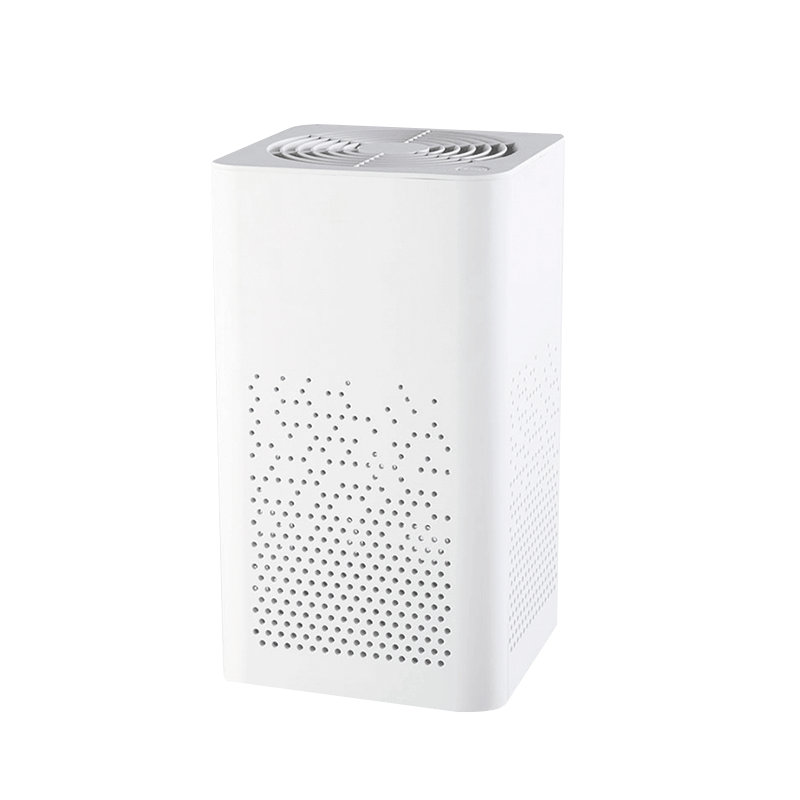 Máy lọc không khí gia đình MAP-01 với bộ lọc H12 HEPA và Cacbon Thiết bị gia đình nhỏ gọn này cung cấp ba tốc độ quạt, H12 HEPA và lọc carbon, cùng với các cảm biến khí hoặc hồng ngoại tùy chọn. Nó phù hợp với các khuyến nghị cho việc thanh lọc văn phòng nhỏ hoặc phòng ngủ với CADR vừa phải khoảng 200 mét khối mỗi giờ. Xem sản phẩm →
 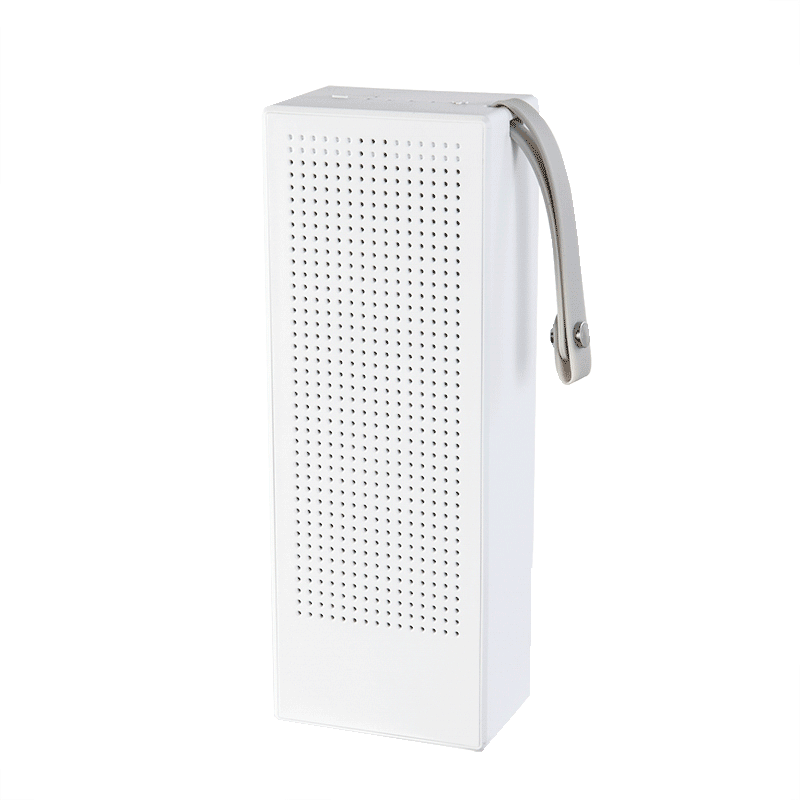 Máy lọc không khí di động có thể sạc lại RAP-02 với ba tốc độ Được thiết kế để mang đi du lịch và sử dụng tạm thời, máy lọc có thể sạc lại này bao gồm H12 HEPA, bộ lọc carbon và cảm biến hồng ngoại tùy chọn. Hoạt động ba tốc độ của nó phù hợp với mục đích bảo vệ bổ sung hơn là thanh lọc phòng chính. Xem sản phẩm →
 Biểu đồ radar so sánh bốn công nghệ lọc trên năm khía cạnh mà người mua quan tâm trong sử dụng hàng ngày. True HEPA chiến thắng về khả năng loại bỏ hạt và độ an toàn, trong khi lực cản luồng không khí và tần suất thay thế vẫn là hai điểm yếu nhất. Bộ lọc tĩnh điện làm giảm nhu cầu mua bộ lọc định kỳ, nhưng chúng gây ra sự phức tạp trong việc xác minh và mối lo ngại về ôzôn có thể xảy ra khi thiết kế không được kiểm soát đúng cách. Than hoạt tính là lựa chọn phù hợp để giải quyết các vấn đề về mùi và nó sẽ bổ sung cho bộ lọc hạt thay vì thay thế nó. Máy ion hóa có yêu cầu bảo trì thấp nhất nhưng hiệu quả của chúng phụ thuộc nhiều vào luồng không khí và nồng độ hạt trong phòng. Do đó, một danh mục sản phẩm cân bằng nên kết hợp một thiết bị HEPA thực sự cho môi trường nhiều hạt, một mô hình HEPA cộng với carbon cho ô nhiễm hỗn hợp và một thiết bị di động để di chuyển.

@ 2020. CÔNG TY TNHH GIA DỤNG ĐIỆN TỬ CIXI XIATIAN. Đã đăng ký Bản quyền. Bán buôn các nhà sản xuất quạt điện cao cấp



 tiếng Anh
 한국어
한국어